Cardboard vs Corrugated vs Kraft vs Rigid Boxes: Which Should You Choose?
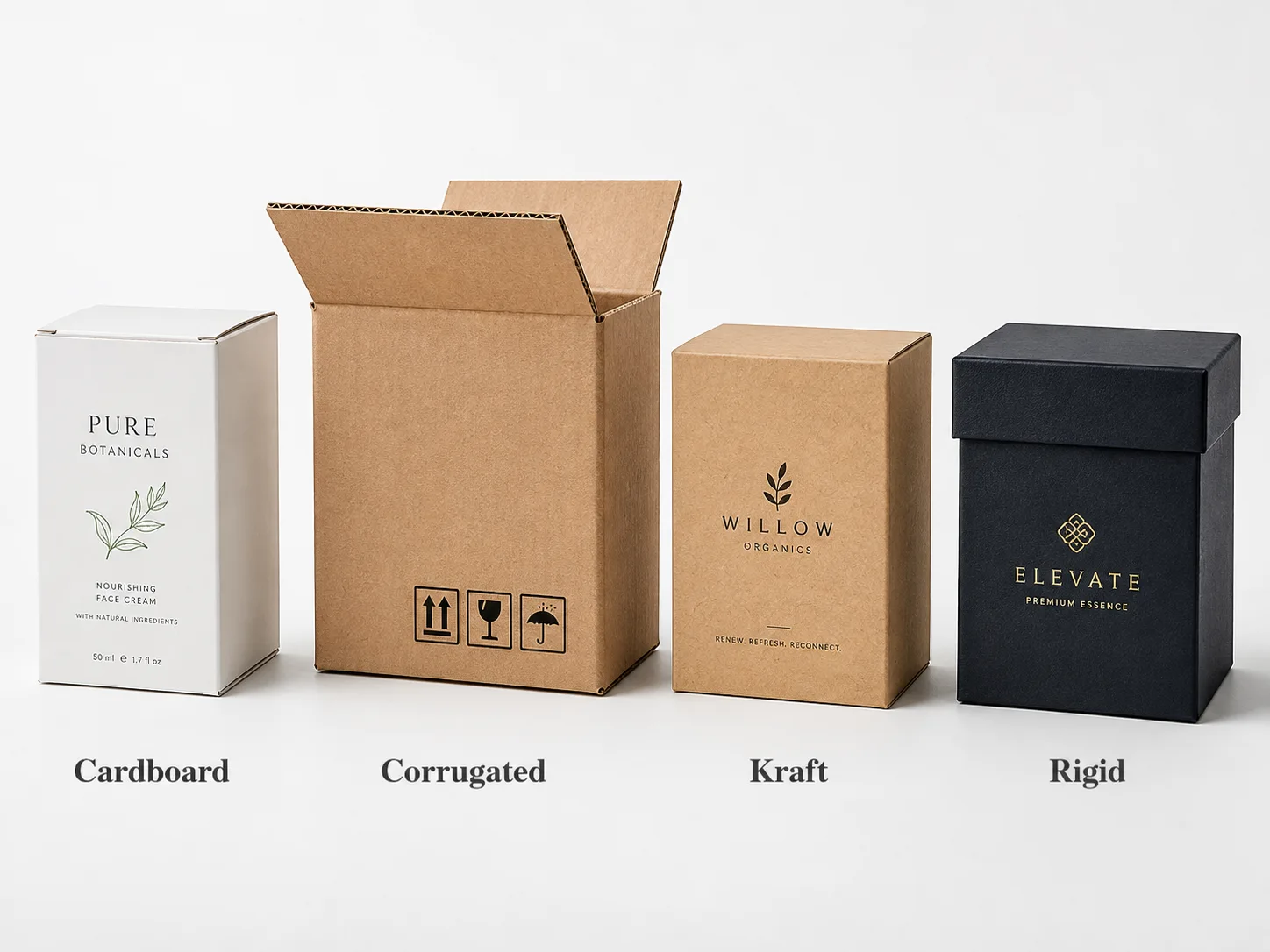
Cardboard vs Corrugated vs Kraft vs Rigid Boxes: Which Should You Choose?
Choosing between cardboard boxes, corrugated boxes, kraft boxes, and rigid boxes becomes much easier once you know what the package needs to do. Cardboard works well for lightweight retail products. Corrugated is usually better for shipping. Kraft gives packaging a natural paper look. Rigid boxes are made for premium presentation.
The best choice depends on your product, how it will travel, how you want it to look, and what you want customers to feel when they open it.
Cardboard vs Corrugated vs Kraft vs Rigid: Quick Answer
| Material | Best For | Main Strength | Main Limitation |
| Cardboard / Paperboard | Retail and lightweight products | Clean printing and flexible design | Less protection for direct shipping |
| Corrugated | Shipping and ecommerce | Protection and cushioning | Usually thicker than retail paperboard |
| Kraft | Natural-looking packaging | Strong paper-based appearance | Natural brown stock can change how colors appear |
| Rigid | Luxury and gift packaging | Premium feel and strong shape | Usually costs and stores more than folding cartons |
Simple rule: choose cardboard for lightweight retail packaging, corrugated for shipping, kraft for a natural look, and rigid when premium presentation matters most.
Are Cardboard Boxes the Same as Corrugated Boxes?
No. People often use “cardboard” as a general word for paper-based boxes, but packaging suppliers usually separate paperboard from corrugated board. A typical cardboard box used for retail is made from a solid paperboard sheet. Corrugated board has flat liner sheets with a fluted, wave-shaped layer between them.
That inner flute is important. It creates space between the liners and helps the board resist pressure while adding cushioning. This is why corrugated packaging is widely used when products must move through shipping and distribution.
What Are Cardboard Boxes?
In product packaging, the word cardboard often refers to paperboard or folding cartons. These boxes are made from relatively thin, solid board that can be printed, cut, scored, folded, and glued into many shapes.
Paperboard works well when the package needs to look clean on a shelf but does not need to act as the main shipping container.
When Should You Choose Cardboard?
- Cosmetics and skincare
- Food and confectionery cartons
- Small electronics
- Supplements
- Retail accessories
- Lightweight consumer products
Cardboard is also useful when artwork matters. Folding cartons can support detailed graphics, branding, windows, coatings, embossing, foil, and other finishing options.
For example, custom cosmetic boxes often need strong shelf presentation without the bulk of a shipping carton.
When Is Cardboard Not Enough?
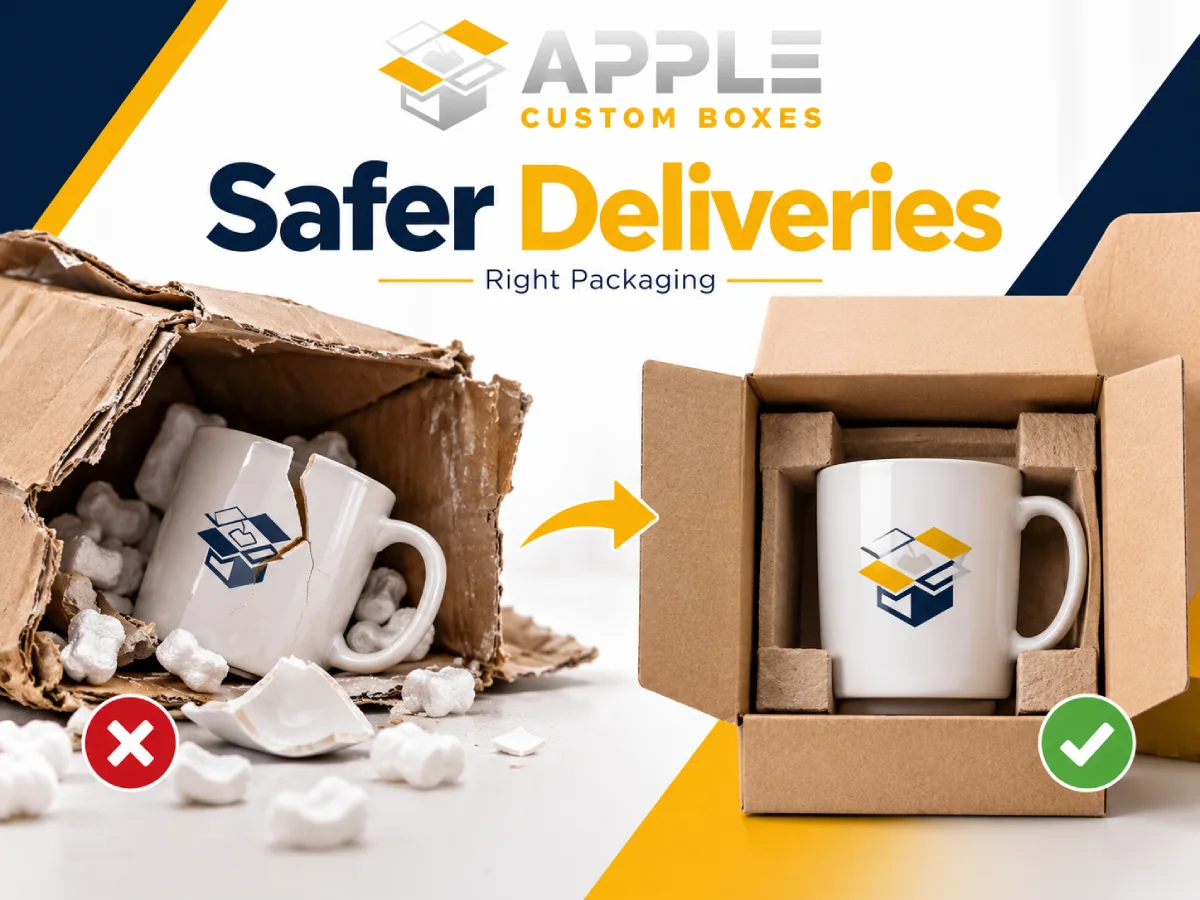
A lightweight paperboard carton may not be enough when a product is heavy, fragile, or shipped without another protective box. In that case, corrugated packaging or a separate outer shipping carton may be a better choice.
What Are Corrugated Boxes?
Corrugated boxes use one or more fluted paper layers attached to flat linerboard. The flute gives the board extra structure and cushioning without making it solid and extremely heavy.
This makes corrugated packaging a strong choice for shipping, ecommerce orders, subscription boxes, storage, and products that need more protection during handling.
Why Does Corrugated Board Protect Products Better in Shipping?
The fluted layer creates small arches inside the board. These help resist bending and pressure. The empty space around the flutes also provides cushioning when the package is handled or compressed.
Corrugated board can also be made in different flute sizes and wall structures. The right specification depends on the product, its weight, and how it will be transported.
When Should You Choose Corrugated?
- Ecommerce orders
- Subscription boxes
- Shipping cartons
- Fragile products
- Heavier products
- Products traveling through parcel networks
If your main goal is sending products directly to customers, explore custom mailer boxes and ecommerce packaging designed around shipping and presentation.
What Are Kraft Boxes?
Kraft boxes are made with kraft paper or paperboard. Natural kraft is known for its brown, fibrous appearance, although kraft material can also be produced in other forms and finishes.
One important point is that kraft is a material choice, not always a separate box structure. A folding carton can use kraft board, and corrugated packaging can also use kraft linerboard.
When Should You Choose Kraft?
Kraft is a good fit when you want packaging with a simple, natural, or less polished paper look. It is often used for handmade products, food packaging, soaps, candles, gifts, apparel, and brands that prefer understated graphics.
Does Printing Look Different on Kraft?
Yes. Natural brown kraft changes the background behind your artwork. Light and bright colors may not look the same as they would on white paperboard. Simple logos, dark colors, and bold designs often work well, but the final result depends on the exact stock and printing method.
If the natural kraft look fits your product, kraft pillow boxes are one example of using kraft material with a distinctive box shape.
What Are Rigid Boxes?
A rigid box is a thick setup box that keeps its shape instead of folding flat like a standard folding carton. Rigid boxes often use thick paperboard covered with a printed or decorative wrap.
They are commonly chosen when the package itself is part of the product experience.
When Should You Choose Custom Rigid Boxes?
- Luxury cosmetics
- Perfume
- Jewelry
- Premium electronics
- Gift sets
- PR packages
- Limited editions
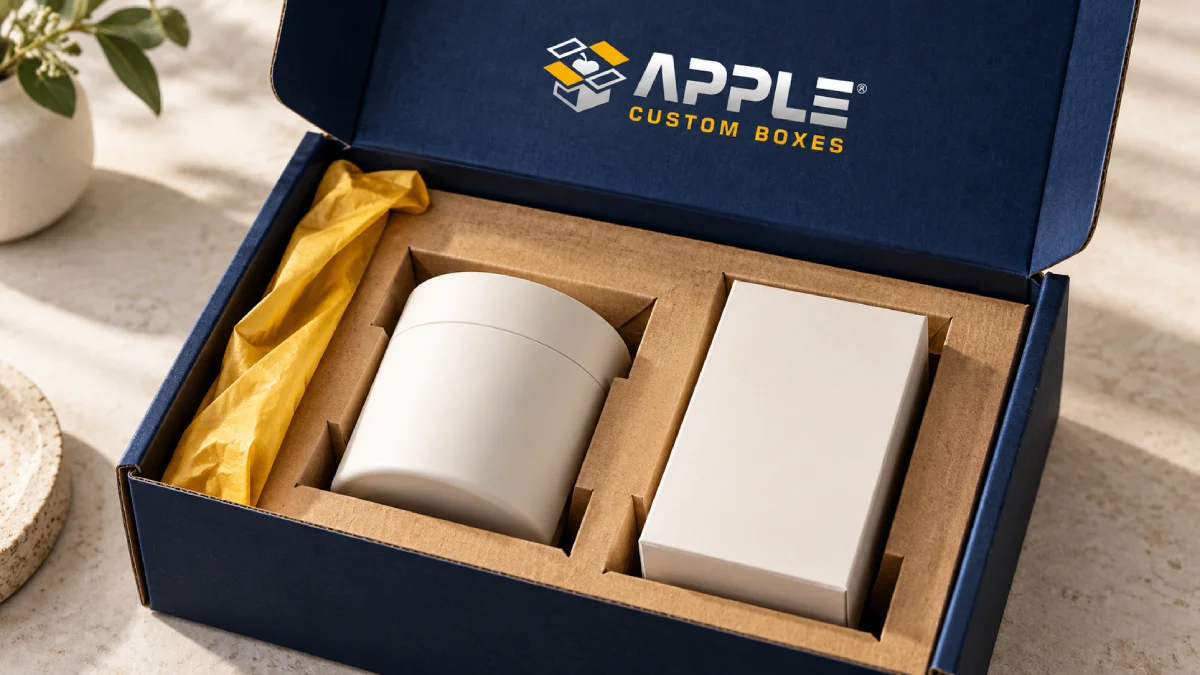
Custom rigid boxes can also support inserts, compartments, specialty wraps, and premium opening styles. For example, custom magnetic closure boxes combine rigid construction with a magnetic closing system.
Are Rigid Boxes Good for Shipping?
Rigid boxes are strong and hold their shape well, but that does not automatically make them the best standalone shipping box. A premium rigid box can still be scratched, marked, or damaged during parcel handling.
For high-value products, a useful setup is often a rigid presentation box placed inside a protective corrugated shipping box. One package handles presentation. The other handles transit.
Which Box Material Is Strongest?
There is no single answer because “strong” can mean different things. Corrugated board is designed to provide shipping protection and cushioning. Rigid board holds its shape and feels solid. Paperboard works well for lighter retail products. Kraft strength depends on the grade and how the material is used.
Instead of asking which material is strongest, ask: What does my packaging need to survive?
A perfume box sitting on a retail shelf has different needs from an ecommerce order moving through several shipping facilities.
Which Material Is Best for Printing?
Smooth white paperboard is often a strong choice when detailed graphics and clean color reproduction are the main goals. Rigid boxes can also support detailed printed wraps and premium finishes. Corrugated can be branded well, but the print result depends on its liner, flute, and printing method. Natural kraft creates a more earthy background that can affect color appearance.
The material should support the design instead of fighting it. A bright cosmetic brand and a natural soap brand may need very different surfaces even when their products are similar in size.
Which Box Is Best for Ecommerce?
Corrugated is usually the strongest starting point for ecommerce because shipping is part of the packaging job. USPS guidance also tells shippers to choose sturdy paperboard or corrugated fiberboard boxes with room for suitable cushioning.
That does not mean the shipping box has to be plain. Corrugated mailers can include logos, printed interiors, colors, messages, inserts, and other branding elements.
Which Box Is Best for Retail?
For lightweight retail products, paperboard is often the better fit because it folds efficiently and provides a strong surface for branding and product information. Kraft paperboard can work when a natural look suits the brand. Rigid packaging makes sense when the package needs to feel more premium.
The right retail box should protect the product while making it easy for a customer to understand what they are buying.
Which Packaging Material Is Most Sustainable?
Do not choose a material based only on words such as “green” or “eco-friendly.” Sustainability depends on more than the material name. Recycled content, coatings, inks, package weight, product protection, transport, reuse, and local recycling systems can all affect the result.
Paper and cardboard products are widely recycled in the United States, but local programs can have different rules. Coatings, food residue, mixed materials, and attached components may also affect whether a package can enter a recycling stream.
If sustainability matters to your brand, ask for the exact material specification instead of assuming every brown box has the same environmental profile.
Cardboard vs Corrugated vs Kraft vs Rigid: How to Choose
1. Will the box be shipped by itself?
If yes, start by looking at corrugated packaging. Shipping creates impact, compression, movement, and stacking demands that retail cartons may not be designed to handle alone.
2. How heavy or fragile is the product?
A small lightweight item needs less structural protection than glass, electronics, or a multi-item kit. Product weight and fragility should come before appearance.
3. Will customers see the box on a retail shelf?
If shelf presentation matters most, paperboard or kraft may give you the balance of structure and printing you need. Premium products may justify rigid packaging.
4. What should the brand feel like?
White paperboard can feel clean and polished. Natural kraft can feel simple and earthy. Corrugated can feel practical or become highly branded with custom printing. Rigid packaging can make an item feel more gift-like and substantial.
5. Do you actually need two boxes?
Sometimes the best answer is not choosing one material. A product may use a printed paperboard or rigid box for presentation and a corrugated outer box for delivery.
Common Packaging Mistakes to Avoid
- Choosing a box only because it looks good
- Using a lightweight retail carton as a shipping box
- Paying for rigid packaging when the product does not need premium presentation
- Ignoring storage space and shipping volume
- Choosing natural kraft without testing how the artwork will print
- Using an oversized shipping box and filling the extra space with unnecessary material
- Calling packaging sustainable without checking the actual material and recycling requirements
Do Not Compare Box Price Alone
The cheapest box is not always the lowest-cost packaging system. A box that is too weak can increase the risk of product damage. A box that is too large can use more material and space. A premium package can also be unnecessary if customers do not value the extra presentation.
Compare the full job: material, size, protection, printing, inserts, shipping, storage, assembly, and customer experience.
Get the Right Material for Your Custom Packaging
There is no one material that wins every comparison. Cardboard boxes work well for many lightweight retail products. Corrugated boxes are built around shipping protection. Kraft boxes suit brands that want a natural paper look. Rigid boxes are best when premium presentation is a major part of the product experience.
Apple Custom Boxes creates custom packaging boxes with custom sizes, materials, printing, structures, inserts, and finishes for businesses across the USA. If you are not sure which material fits your product, share your product size, weight, quantity, shipping method, and design needs.
Request a custom packaging quote and choose the box based on what your product actually needs.
Frequently Asked Questions
What is the difference between cardboard and corrugated boxes?
Cardboard usually refers to solid paperboard used for folding cartons and retail packaging. Corrugated boxes contain a fluted paper layer between flat liners, which gives them more cushioning and structure for shipping.
Are corrugated boxes stronger than cardboard boxes?
For shipping and transport, corrugated boxes usually provide better protection because their fluted structure helps resist pressure and cushion products. Paperboard cardboard works better for many lightweight retail products.
Is kraft stronger than cardboard?
It depends on the grade and structure. Kraft describes a type of paper or paperboard, while cardboard is a broad term. A kraft folding carton and a corrugated kraft shipping box can have very different strength levels.
Which box is best for shipping?
Corrugated boxes are usually the best starting point for shipping because the fluted structure provides cushioning and structural support. The correct board grade still depends on the product's weight, size, and fragility.
Are rigid boxes good for shipping?
Rigid boxes hold their shape well, but premium rigid packaging may need an outer corrugated shipper to protect its surface and corners during parcel delivery.
Which packaging is best for luxury products?
Rigid boxes are often a strong choice for luxury products because they keep their shape and provide a substantial presentation. They are commonly used for gifts, jewelry, cosmetics, perfume, and premium electronics.
Which packaging material is easiest to recycle?
Many paper and cardboard packages can be recycled, but the answer depends on coatings, attachments, contamination, and your local recycling program. Check the exact package construction and local rules before making recycling claims.
About Apple Custom Boxes
Apple Custom Boxes is a premier USA custom packaging manufacturer delivering high-quality custom printed boxes, mailers, product packaging, and wholesale boxes with free design support and fast turnaround.