Prevent Shipping Damages & Cut Costs With Better Packaging
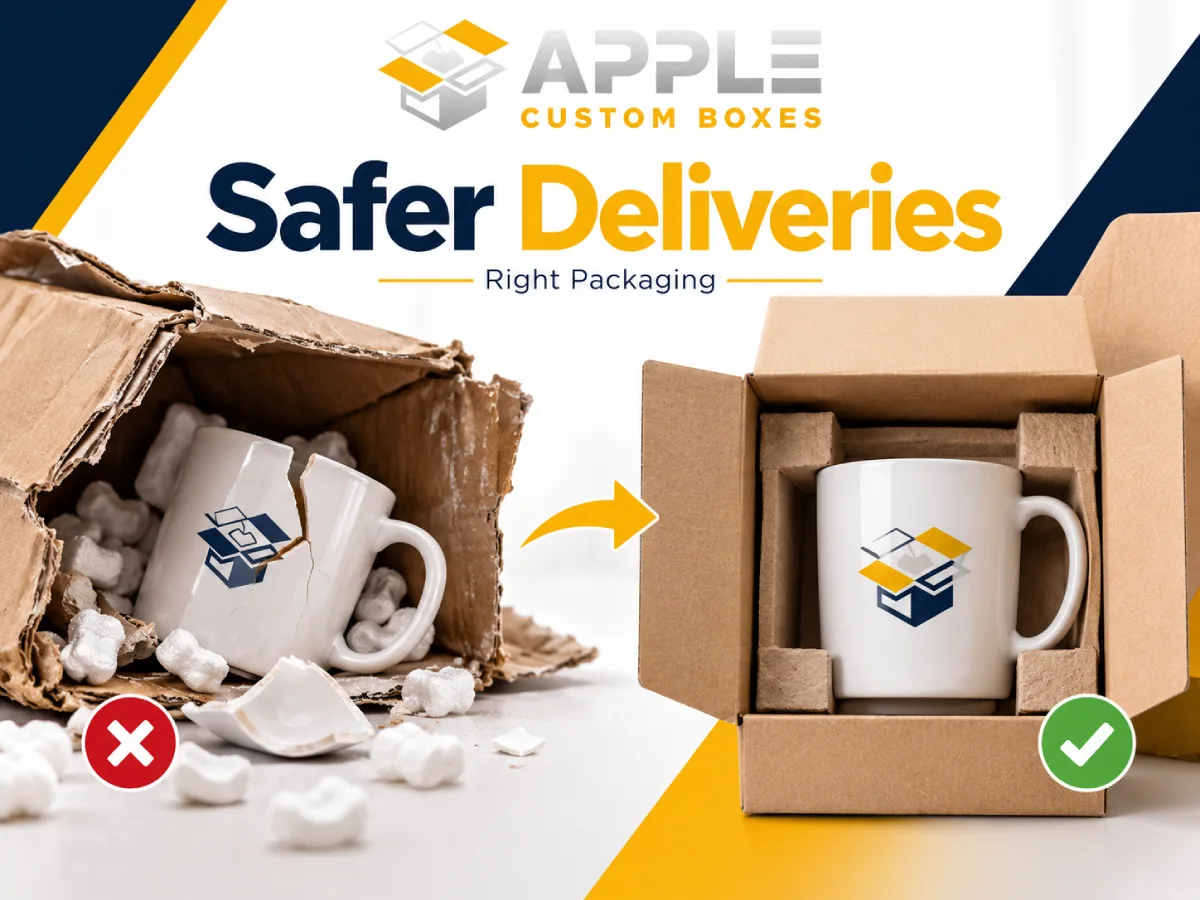
Better packaging can help prevent shipping damages while also lowering avoidable shipping costs. The key is not to keep adding more cardboard, bubble wrap, or filler. It is to use packaging that fits the product, controls movement, protects weak areas, and uses the right amount of material.
A box that is too large may cost more to ship and gives the product more room to move. A box that is too weak can crush. Poor cushioning can also transfer drops, vibration, and pressure straight to the product.
The goal is simple: use the smallest practical package that can still protect the product during storage, handling, and delivery.
Why Packaging Affects Both Shipping Cost and Product Damage
Packaging affects much more than how a shipment looks. Its size, weight, strength, empty space, cushioning, and closure all affect what can happen between your warehouse and your customer's door.
| Packaging ProblemPossible ResultBetter Approach | ||
| Box is too large | Higher dimensional weight and more product movement | Use a better-fitting box |
| Box is too weak | Crushing, bending, or punctures | Choose suitable board strength |
| Too much empty space | Items slide or hit the box walls | Use inserts, dividers, or controlled void fill |
| Too little cushioning | Higher impact risk | Add protection where the product needs it |
| Too much packaging | Extra weight, material use, and packing cost | Remove material that does not improve protection |
| Weak sealing | Package may open during handling | Use suitable packaging tape and closure methods |
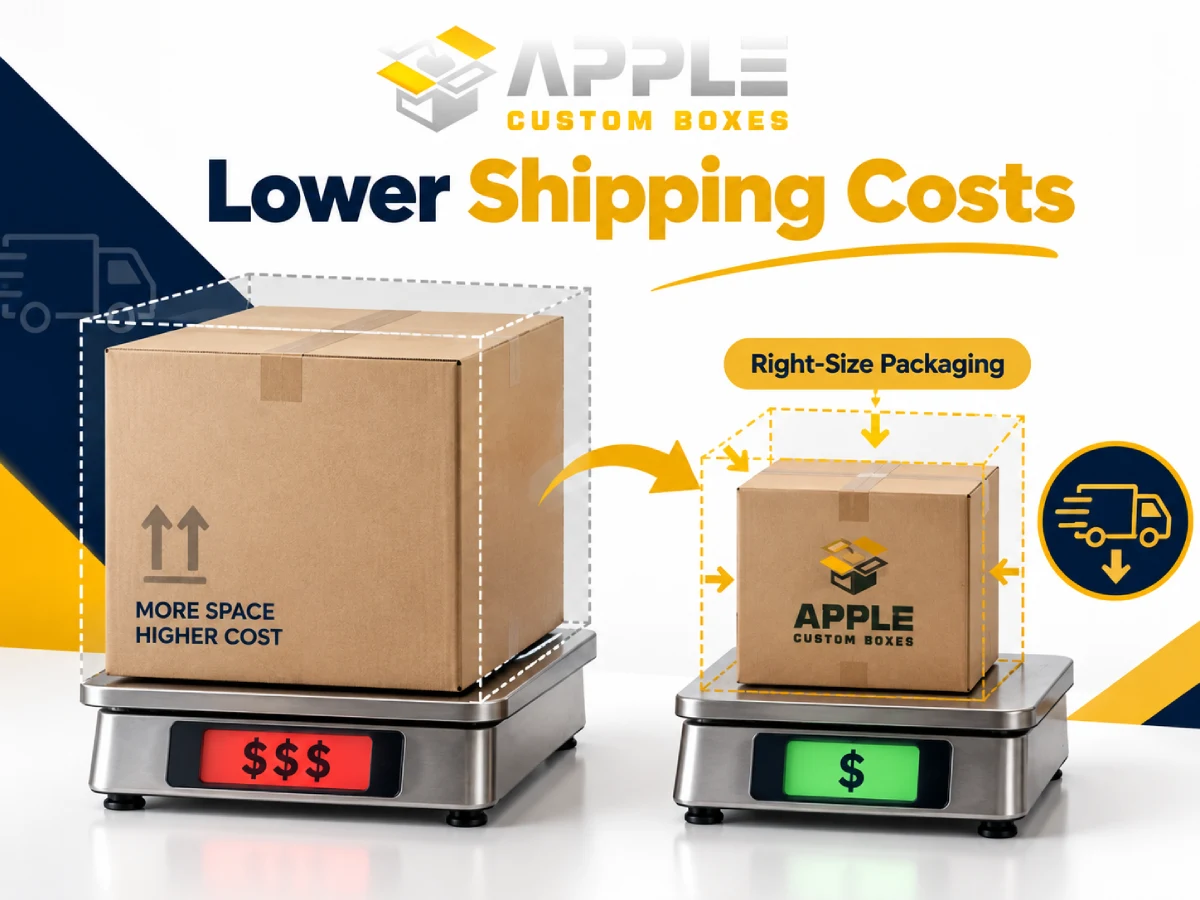
Major carriers may calculate shipping charges using either actual weight or dimensional weight. Dimensional weight reflects how much space a package takes up compared with how much it weighs. That means an oversized but lightweight package can sometimes cost more to ship than expected.
FedEx explains how dimensional weight works in its dimensional weight guide.
How Better Packaging Helps Prevent Shipping Damages
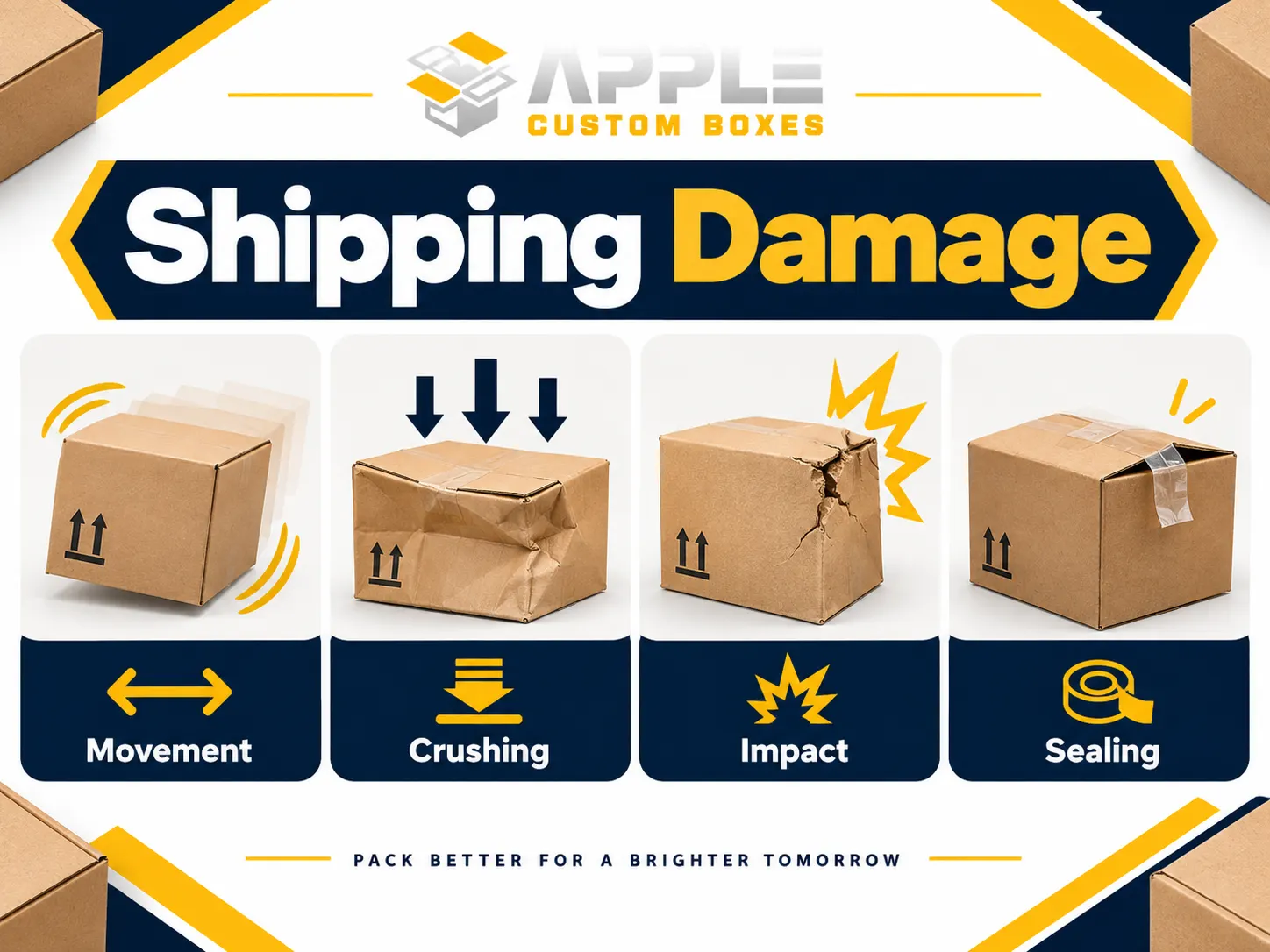
Many shipping problems come from a few basic causes. The product moves, gets hit, gets compressed, rubs against another surface, gets punctured, or the package opens.
Better packaging deals with these risks before the order leaves your business.
1. Use a Box That Fits the Product
Start with size. The shipping box should leave enough room for any cushioning or inserts the product needs, but it should not contain large areas of unused space.
A large box may seem safer, but too much empty space can create two problems. It can increase the size used for shipping calculations, and it can give the product more room to move.
USPS advises shippers to use strong packaging with enough room for cushioning while also securing the contents so they do not shift during handling.
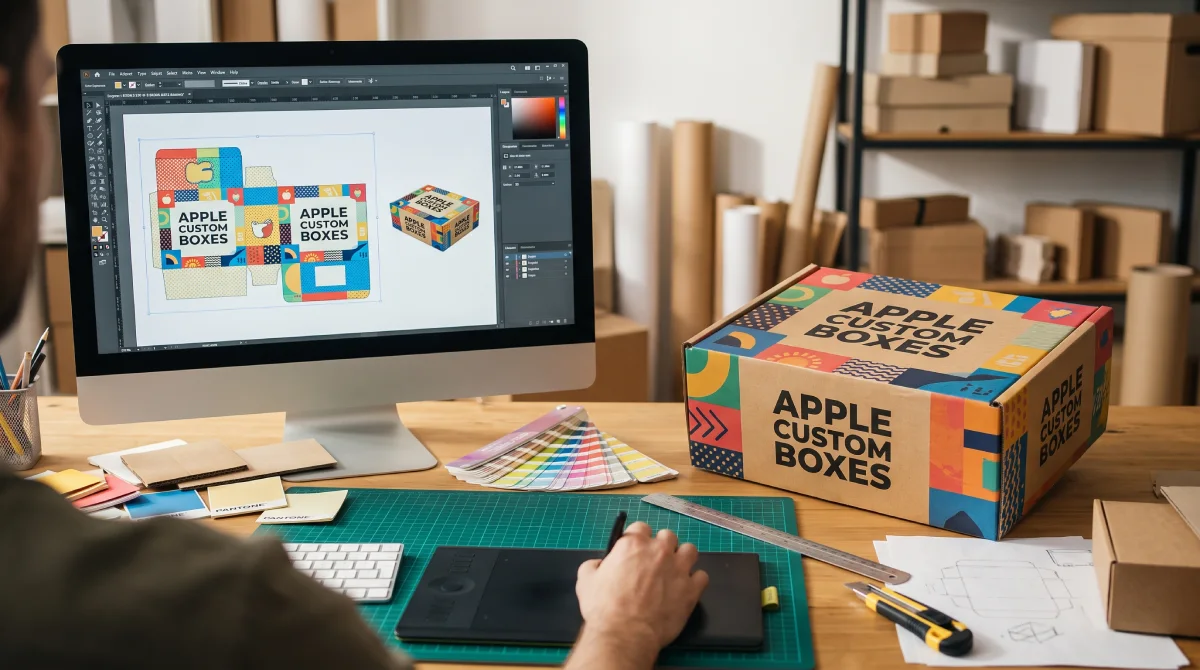
For businesses that ship the same products often, custom shipping boxes can make sizing easier. A custom box can be built around the product dimensions instead of forcing every order into a limited set of stock box sizes.
2. Stop the Product From Moving
A strong outer box cannot fully protect a product that is sliding around inside it.
Movement can cause a product to hit the walls of the box or collide with another item. This becomes more important with glass, electronics, cosmetics, bottles, candles, and products with delicate corners or finishes.
Depending on the product, movement can be controlled with:
- Corrugated inserts
- Paper cushioning
- Dividers
- Fitted trays
- Protective sleeves
- Corner protection
- Void fill
USPS also recommends cushioning fragile items and securing heavier items so they cannot shift inside the mailing container. You can review its package preparation guidance for more information.
3. Match the Packaging Material to the Product
Not every product needs the same type of packaging.
A lightweight shirt does not need the same protection as a glass bottle or a heavy electronic device. Using packaging that is much stronger than needed can add cost. Using packaging that is too weak can increase the chance of damage.
Corrugated packaging is often used for shipping because it can provide strength without making the package unnecessarily heavy.
Products that need a cleaner branded delivery experience may also work well in custom mailer boxes, depending on their size, weight, and fragility.
The right material should be selected based on the complete shipment, not appearance alone.
4. Protect the Weak Points of the Product
Some products do not need thick cushioning everywhere. They need protection in a few specific areas.
A glass bottle may need separation from other bottles. An electronic device may need its corners held in place. A coated product may need protection from scratches. A sharp product may require better puncture resistance.
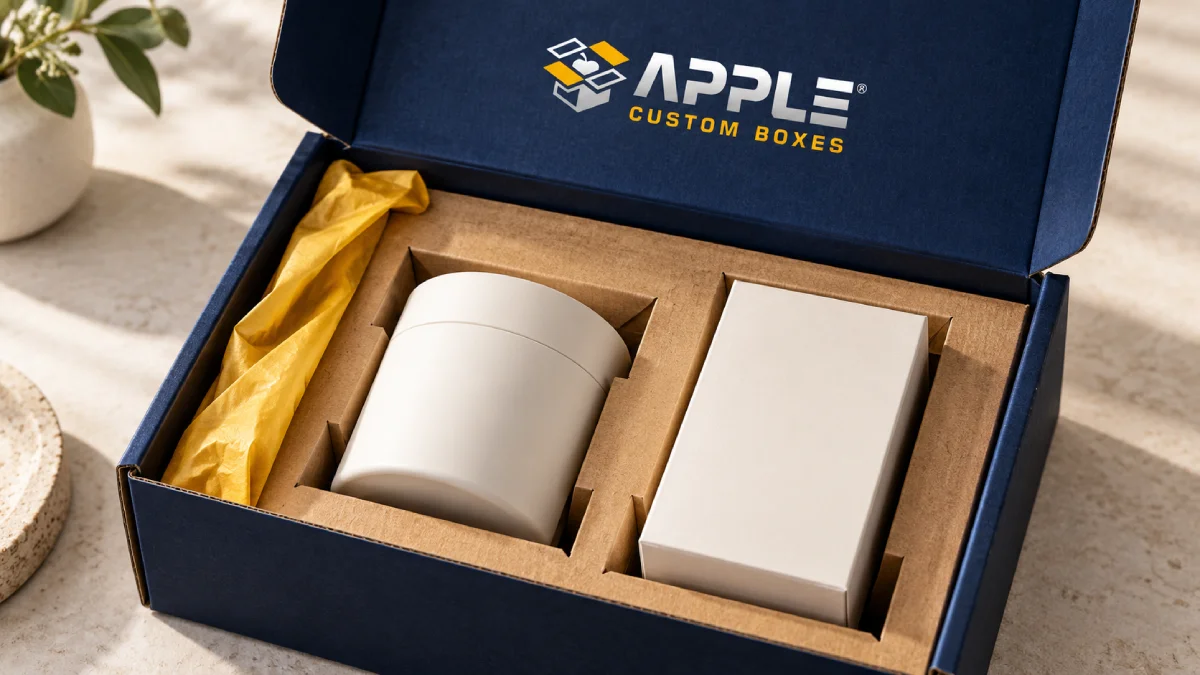
This is where fitted inserts and custom structures can be more useful than filling a large box with random packing material.
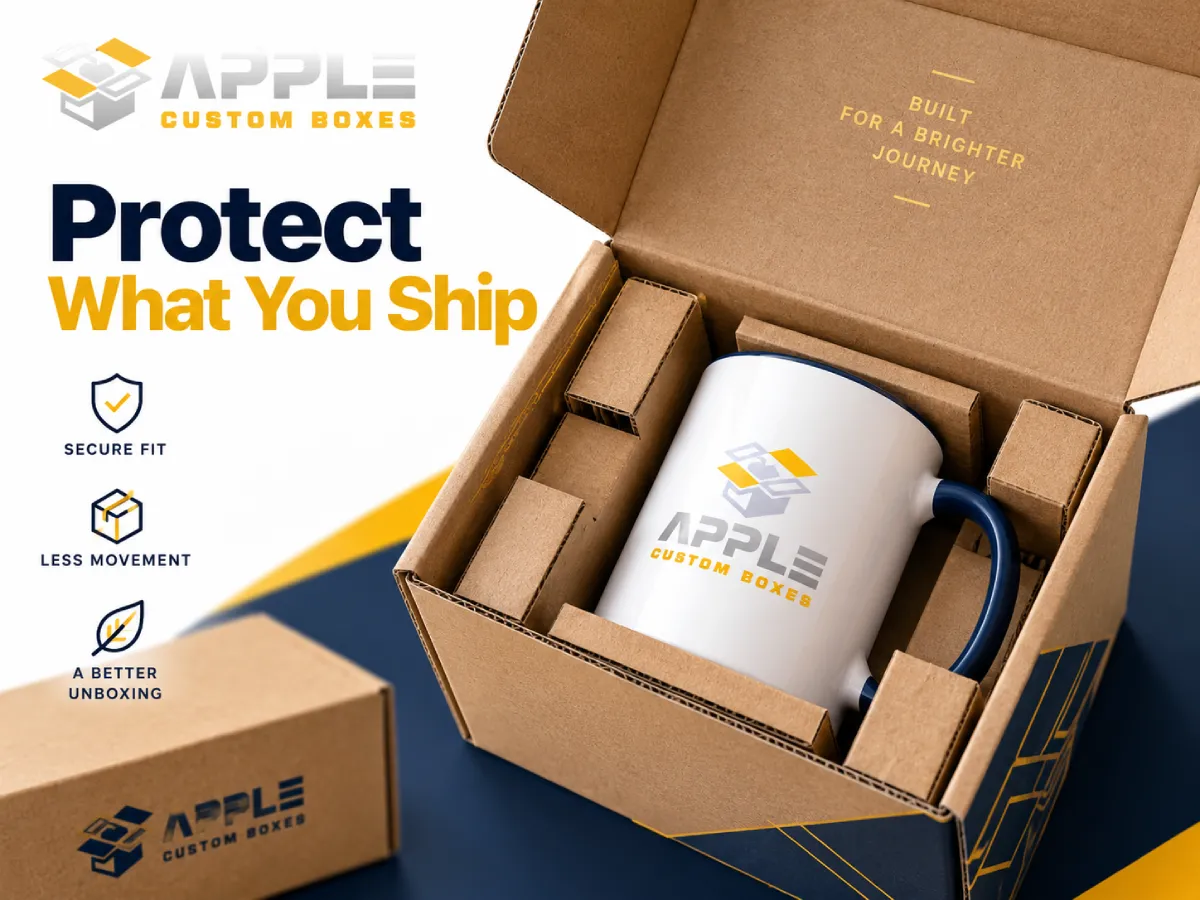
Custom product boxes can be designed around the shape and dimensions of a product. Inserts can also help keep the product in place and away from the outer walls of the package.
5. Use the Right Closure
A package only protects the product while it stays closed.
Check the tape type, tape width, adhesive, box surface, and sealing method. Weak tape or poor sealing can cause a package to open during transport even when the box itself is strong.
For high-volume fulfillment, the closing method should also be easy for staff to repeat. One employee should not use three strips of tape while another uses one. A clear packing process helps keep shipments more consistent.
Right-Size Packaging Can Help Lower Shipping Costs
One of the strongest links between packaging and shipping cost is dimensional weight.
Carriers have limited room inside trucks, trailers, and aircraft. A large lightweight box still takes up space. Because of this, shipping companies may compare a package's physical weight with its dimensional weight when calculating charges.
FedEx explains that reducing extra space and using more efficient packaging can help reduce dimensional weight. UPS also uses package dimensions when determining dimensional weight for eligible shipments.
Imagine that you sell a small product but ship it in a box twice the size it needs to be. You may pay for:
- A larger shipping box
- More filler
- More storage space
- More dimensional shipping weight
- More packing time
At the same time, the product has more room to move inside the package.
A better-fitting box can solve several of these problems at once.
More Packaging Does Not Always Mean More Protection
When products arrive damaged, the first reaction is often to add more material. That can help when cushioning is truly missing, but it is not always the correct solution.
If a box is collapsing, adding more loose filler may not make the outer box stronger. If the product is moving, a fitted insert may work better than another handful of paper. If the tape is failing, adding cushioning inside the box will not keep it closed.
The better approach is to identify the cause of the damage first.
Ask What Actually Went Wrong
Look at the damaged shipment and ask:
- Did the product move?
- Was the box crushed?
- Did the product crack after an impact?
- Did two products hit each other?
- Did the box tear or get punctured?
- Did the tape or closure fail?
- Was the product scratched?
The answer tells you which part of the packaging system needs attention.
Choose Protective Packaging Based on the Product
There is no single type of protective packaging that works best for every shipment. The correct solution depends on the product and how it is shipped.
| Product TypeMain RiskPackaging Approach to Consider | ||
| Apparel | Moisture, tearing, wasted space | Compact mailer or suitable packaging bags for shipping |
| Glass products | Impact and product-to-product contact | Strong box, separation, and cushioning |
| Electronics | Impact, movement, and surface damage | Fitted structure and controlled cushioning |
| Cosmetics | Crushing, leaks, and scratches | Right-size box with inserts or partitions |
| Candles | Breakage and movement | Secure fit with protective separation |
| Heavy items | Box failure and shifting | Stronger corrugated structure and bracing |
This is why there is no single “best packaging for shipping.” The best packaging depends on the weight, shape, value, fragility, shipping method, and handling risks of the product.
Protective Packaging Can Also Improve Packing Efficiency
Packaging cost is not only the price of the box.
Businesses also pay for:
- Packaging materials
- Void fill
- Tape
- Storage space
- Packing labor
- Shipping charges
- Replacement shipments
- Returned goods
A packaging system that is easy to assemble can help employees pack orders more consistently. Fitted inserts can also reduce the need to judge how much loose filler should be added to every box.
For businesses that ship the same products again and again, consistency can become just as valuable as material savings.
Test Packaging Before Scaling It
A package that looks strong on a desk may behave differently after drops, vibration, stacking, compression, and repeated handling.
The International Safe Transit Association, or ISTA, develops test procedures for packaged products. These tests can simulate common transport conditions such as vibration, compression, and impact.
You can review the available procedures on the ISTA test procedures page.
Not every small business needs formal laboratory testing for every shipment. But structured testing can be useful when products are fragile, valuable, shipped in high volumes, or experiencing repeated damage.
Businesses should also review packaging again when the product, material, inserts, closure, or shipping process changes.
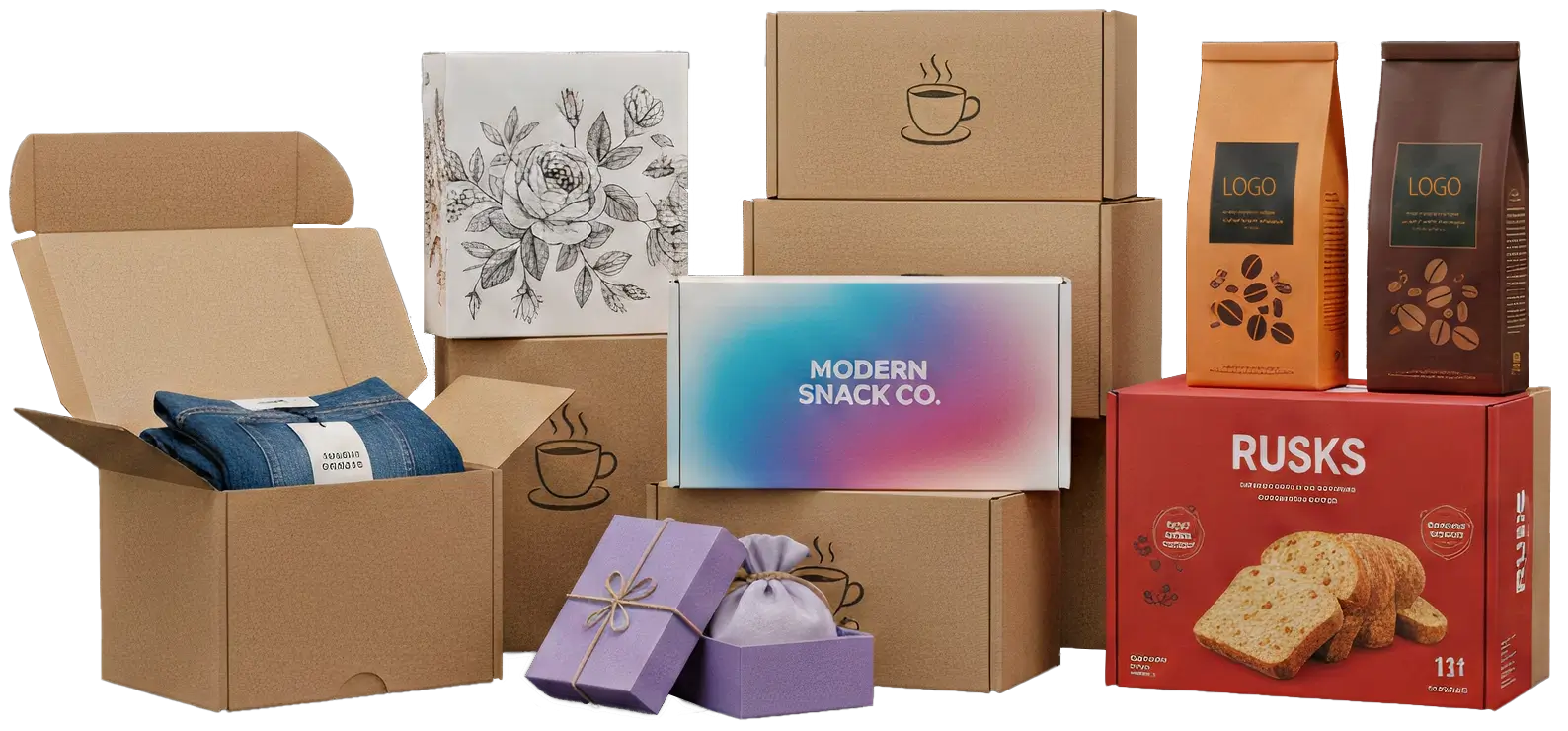
Packaging Examples & Visuals
A Simple Packaging Audit for Your Business
You do not need to redesign every package at once. Start with the products that create the most problems.
- Find your problem products. Look for items with repeated damage, returns, replacements, or unusually high shipping charges.
- Measure the packed product. Record the actual product size and the dimensions of the final shipping box.
- Check empty space. Look for packages with large unused areas or excessive filler.
- Check product movement. The product should stay in its intended position during normal handling.
- Review the box and closure. Look for crushed panels, weak corners, punctures, torn tape, or open seams.
- Fix the main problem. Test a better size, stronger structure, insert, divider, or cushioning method.
- Track the result. Compare damage, material use, shipping charges, and packing time after the change.
This gives you real information instead of guessing.
Common Packaging Mistakes That Increase Shipping Costs
Using One Large Box for Many Products
Using one standard box can make inventory easier to manage, but it can create a lot of empty space for smaller products.
This may increase filler use and the overall shipping footprint.
Adding Filler Without Fixing the Box Size
Void fill has a purpose. It helps control movement and protect products.
But it should not be used only because the shipping carton is much larger than the product needs.
Choosing Packaging Only by Appearance
Brand presentation matters, especially for eCommerce businesses. But packaging must first protect the product through shipping and delivery.
The best solution should balance product protection, box size, branding, and cost.
Ignoring the Packing Process
Even good packaging can fail when employees use different amounts of filler, different tape patterns, or different product positions.
Create simple packing instructions for repeat products. This helps reduce mistakes and keeps the pack-out more consistent.
Never Reviewing Damage Data
Returns and replacement orders contain useful information.
Track which products are being damaged and how the damage happens. A repeated pattern may point to one packaging issue that can be fixed.
When Custom Packaging Makes Sense
Stock packaging works well for many shipments. Custom packaging becomes more useful when standard sizes create ongoing waste, cost, branding, or protection problems.
Consider custom packaging when:
- You ship the same products in volume
- Your current boxes contain too much empty space
- You use large amounts of filler
- Products regularly arrive damaged
- You need inserts or dividers
- Your products have unusual dimensions
- You want shipping packaging that also carries your branding
- You need repeatable packaging for fulfillment
For larger or recurring orders, wholesale custom boxes can also help businesses standardize packaging across repeated shipments.
Better Packaging Should Lower Waste, Not Add to It
The goal of packaging protection is not to wrap every product in the largest and strongest package possible.
Good packaging uses enough material to do the job and avoids material that does not add useful protection.
A right-size box can reduce empty space. A fitted insert can replace loose filler in some applications. A stronger shipping structure may reduce the need for additional layers in certain shipments.
The correct setup depends on the product.
This balance matters because packaging cost includes more than the carton itself. It can include filler, tape, storage, labor, shipping charges, returns, replacement shipments, and damaged inventory.
Can Better Packaging Improve the Customer Experience?
Yes. Customers usually expect an order to arrive in good condition and in packaging that feels appropriate for the product.
An oversized box filled with unnecessary material can make the shipment feel poorly planned. A damaged product creates an even worse experience because the customer may need to contact support, wait for a replacement, or return the order.
Well-designed packaging can help a product arrive securely while also creating a cleaner unboxing experience.
Custom printing can also help businesses place logos, brand colors, handling information, or product details directly on the packaging when appropriate.
Should You Use Packaging Bags for Shipping?
Packaging bags for shipping can work well for products that do not need strong crush protection.
Examples may include apparel, fabrics, soft goods, and some lightweight products.
They are usually not the best choice for products that can break, crush, bend, or become damaged from pressure.
Always choose the outer packaging based on the protection the product needs rather than choosing the lightest option by default.
How to Choose Better Packaging for Shipping
Start by looking at five things:
- Product size: How much room does it actually need?
- Product weight: Can the box safely support it?
- Fragility: What areas are most likely to break or become damaged?
- Movement: Can the item slide or hit another surface?
- Shipping conditions: Will the shipment face stacking, drops, vibration, or repeated handling?
Then choose the box, material, inserts, cushioning, and closure around those needs.
This approach creates better packaging protection without automatically adding more material.
Prevent Shipping Damages With Packaging Built Around the Product
To prevent shipping damages, start with the product rather than the box.
Measure it. Understand where it is fragile. Decide how much movement is acceptable. Then choose the box size, material, insert, cushioning, and closure around those needs.
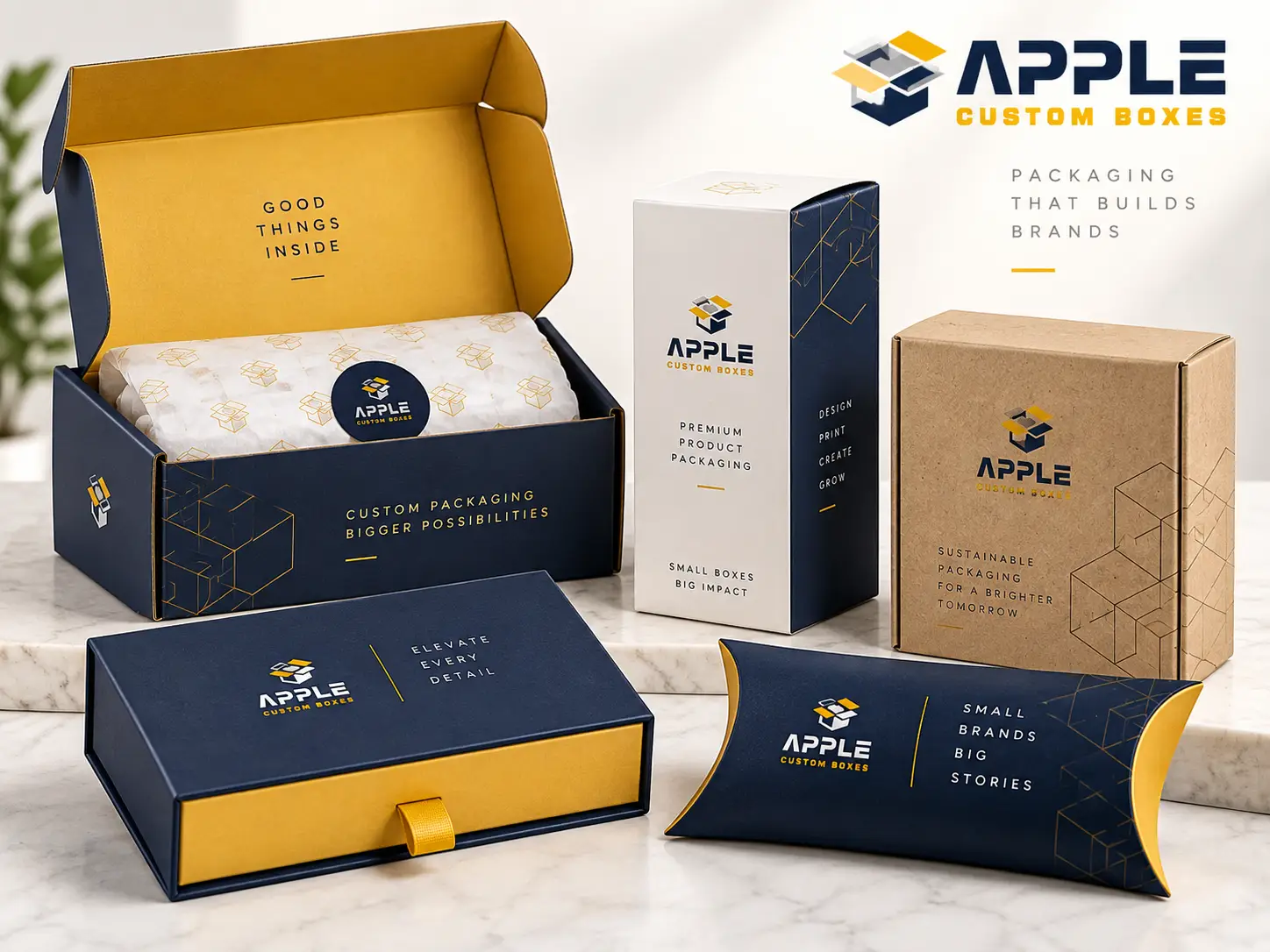
Apple Custom Boxes provides custom packaging options for businesses that need packaging built around specific product dimensions, branding, and shipping requirements.
Depending on your product, you can explore custom shipping boxes, custom mailer boxes, custom product boxes, and wholesale custom boxes.
If your current packaging uses too much filler, takes up unnecessary space, or allows products to arrive damaged, request a custom packaging quote. Share your product size, quantity, packaging style, and other requirements so the packaging can be planned around your needs.
Frequently Asked Questions
How can packaging prevent shipping damage?
Packaging can help prevent shipping damage by keeping the product from moving, absorbing impact, resisting crushing, separating multiple items, and keeping the package securely closed. The correct setup depends on the product's size, weight, shape, and fragility.
Can better packaging reduce shipping costs?
Yes. Better-fitting packaging can reduce unnecessary box size and empty space. This may lower dimensional weight and reduce the amount of filler required. The actual shipping cost depends on the carrier, service, package dimensions, weight, and destination.
What is the best packaging for shipping fragile products?
Fragile products usually need a strong outer box, controlled cushioning, and enough support to prevent movement. Products may also need inserts, partitions, corner protection, or separation from other items.
Should there be empty space inside a shipping box?
Some space may be needed for cushioning, but large unused areas can allow a product to move. The package should be sized around both the product and the protection it needs.
Are corrugated boxes good for shipping?
Corrugated boxes are widely used for shipping because they can provide good strength while remaining relatively lightweight. The correct board strength and structure should still be selected based on product weight and shipping conditions.
How do I know if my shipping box is too large?
Your box may be too large if it needs a large amount of filler, the product can still move after packing, or the outer dimensions are much larger than the product and cushioning require.
Does adding more packaging always reduce damage?
No. More material does not always solve the problem. If the box is weak, the closure fails, or the product is not held in place, adding more filler may increase cost without fixing the real cause.
When should a business consider custom shipping boxes?
Custom shipping boxes may make sense when you ship repeat products, use too much filler, have unusual product sizes, need fitted inserts, experience recurring damage, or want better control over package size and branding.
What is protective packaging?
Protective packaging is the material or structure used to help protect a product during storage, handling, and shipping. It can include corrugated boxes, inserts, dividers, cushioning, sleeves, corner protection, and void fill.
Can oversized packaging increase shipping costs?
Yes. Oversized packaging can increase the dimensional weight of a shipment. Major carriers may use dimensional weight when calculating shipping charges, so reducing unnecessary package size can sometimes lower shipping costs.
About Apple Custom Boxes
Apple Custom Boxes is a premier USA custom packaging manufacturer delivering high-quality custom printed boxes, mailers, product packaging, and wholesale boxes with free design support and fast turnaround.